CLIMB SCAFELL PIKE
To climb Scafell Pike, the highest mountain in England offers a challenging and rewarding climb for those seeking adventure. Standing at 978 meters, the summit offers breathtaking views of the surrounding landscape, making it a popular destination for hikers and mountaineers.
However, climbing Scafell Pike requires proper preparation and planning to ensure a safe and successful ascent.
Whether you’re a seasoned climber or a first-timer, it’s important to understand the essentials of the mountain and the surrounding area. This guide will provide everything you need to know for your climb, from the history and geography of Scafell Pike to the essential equipment and gear you’ll need. It will also cover important safety tips and advice, as well as what to expect during your climb.
History and Geography of Scafell Pike
Scafell Pike is located in the Lake District of England and is part of the Scafell range, which includes several peaks over 900 meters in height. The mountain has a rich history — the Burnmoor cairnfield on its eastern flank near Eskdale, with around 400 cairns and several stone circles, is scheduled evidence of Bronze Age activity in the area, and Bronze Age settlement remains have also been found on the valley floor at Wasdale below the mountain. Elsewhere in the Lake District, sites such as Coniston and Greenside became significant centres for copper and lead mining during the 18th and 19th centuries.
Geographically, the Scafell range is characterized by its rugged terrain and spectacular views. The area is a popular destination for hikers and mountaineers and is considered one of the most beautiful landscapes in England. The summit of Scafell Pike offers panoramic views of the surrounding mountains and lakes, making it a popular spot for photographers and sightseers.
Scafell Pike is part of the Lake District National Park, which was established in 1951 and is the largest national park in England. The park covers an area of approximately 2,362 square kilometres and is home to numerous peaks, lakes, and valleys. It is also a UNESCO World Heritage Site and is recognized for its exceptional natural beauty, cultural heritage, and historical significance.
The history and geography of Scafell Pike and the surrounding area add to the allure of climbing this magnificent mountain. Understanding the background and character of the area will enhance your climb and appreciation of this natural wonder. Whether you’re a seasoned climber or a first-timer, the history and geography of Scafell Pike provide an important context for your climb and make it a truly memorable experience.
Planning and Preparation for Climbing Scafell Pike
Climbing Scafell Pike is a challenging and rewarding experience, but it’s important to be properly prepared and equipped to ensure a safe and successful ascent. From selecting the right equipment to preparing for weather conditions, there are several key factors to consider when planning your climb.
Navigating on Scafell Pike
Equipment and Gear for Scafell Pike
The right equipment and gear are essential for a safe and successful climb of Scafell Pike. A good quality pair of hiking boots with excellent grip and support is a must, as well as waterproof clothing and a sturdy backpack to carry food, water, and other essentials. A map and compass, as well as a first aid kit and head torch, are also important to have in case of an emergency.
Ensure you have what you need for a day in the mountains by watching our video.
Physical and Mental Preparation
Climb Scafell Pike is a physically demanding experience and requires a good level of fitness and endurance.
Training and preparation, including regular hiking and cardio exercises, can help you to build up your strength and stamina for the climb. Mental preparation is also important, as the climb can be mentally challenging, especially if you’re not used to climbing mountains.
Planning for Weather Conditions on Scafell Pike
The weather conditions on Scafell Pike can change rapidly and can be severe, so it’s important to plan accordingly.
Always check the forecast before your climb/ and be prepared for changes in the weather, including rain, wind, and snow even in March we can still have snow and ice on the mountains.
We’ve added the best places to check the weather as well as other useful links at the bottom.
National Three Peaks and Scafell Pike
Staying Safe on Scafell Pike
Guided Scafell Pike walks
details of the best ways to climb scafell pike
- Wasdale Head Route: This is the most popular route up Scafell Pike, and it starts from the Wasdale Head car park. The ascent climbs through Hollow Stones and up towards Lingmell Col, before reaching the summit of Scafell Pike. This route is around 6 miles round trip and is considered a moderate to challenging hike. We have put together a route card for this route check it out here.
- Corridor Route from Seathwaite: This is a longer, more challenging route that starts from the Seathwaite car park. The route traverses beneath Great End and Broad Crag before reaching the summit of Scafell Pike. This route is around 9 miles round trip and is considered a strenuous hike.
- Eskdale Route: This is a quieter, less-crowded route that starts from the Eskdale car park. The route climbs via Cam Spout and Mickledore before reaching the summit of Scafell Pike. This route is around 11 miles round trip and is considered a challenging, strenuous hike..
Step-by-Step Route Guide: Wasdale Head
Distance: 9km | Ascent: 900m | Time: 4-6 hours
Starting point: Wasdale Head, Seascale, CA20 1EX – National Trust car park
- Assuming you’ve parked at the National Trust car park, leave via the exit at the top on the right. Cross over a cattle grid and follow the track with a stream on the right, through a narrow path with an open field on the left and trees on your right. After about 400 metres you’ll reach a kissing gate – go through it and follow a clear path uphill, first through a field before handrailing the river on your left. Continue until you reach another gate where the track joins another path to your left; from here you may get your first view of Scafell Pike straight ahead.
- Go through the kissing gate just above where the two paths join, continuing on the path beyond for about 600m, where you’ll see the path cross a river called Brown Tongue. The crossing is straightforward, though it can be tricky to keep your feet dry – a good tip is to follow the river up a little further and cross where it narrows. Once across, you’ll see the steps and path leading up the first steep section. Follow this well-marked path up steps and track; above the zigzags the path becomes rougher underfoot, marked by cairns, as you enter a section called Hollow Stones.
- As you approach (but never quite reach) Lingmell Col – worth a detour if you have time – keep right. The path swings right and climbs more steeply over loose stone; cairns mark the way but can be tricky to spot among the boulder field. A short section of sloping flat rock, known as Flat Slabs, offers the only respite – this is the third and final steep section. After a definitive left turn, there’s a little more climbing before the gradient eases and the summit plateau appears about 200 metres ahead.
Walking down: your mountain walk isn’t over until you’re safely back at the bottom. The best way down is to retrace your steps and follow the route in reverse. You can add Lingmell as an extra summit for a great full day out in the mountains.
over must do routes like scafell pike
- Jack Rake: an incredible grade one across the front of Pavy Arch, a real adventure. – Read about climbing Jack rake
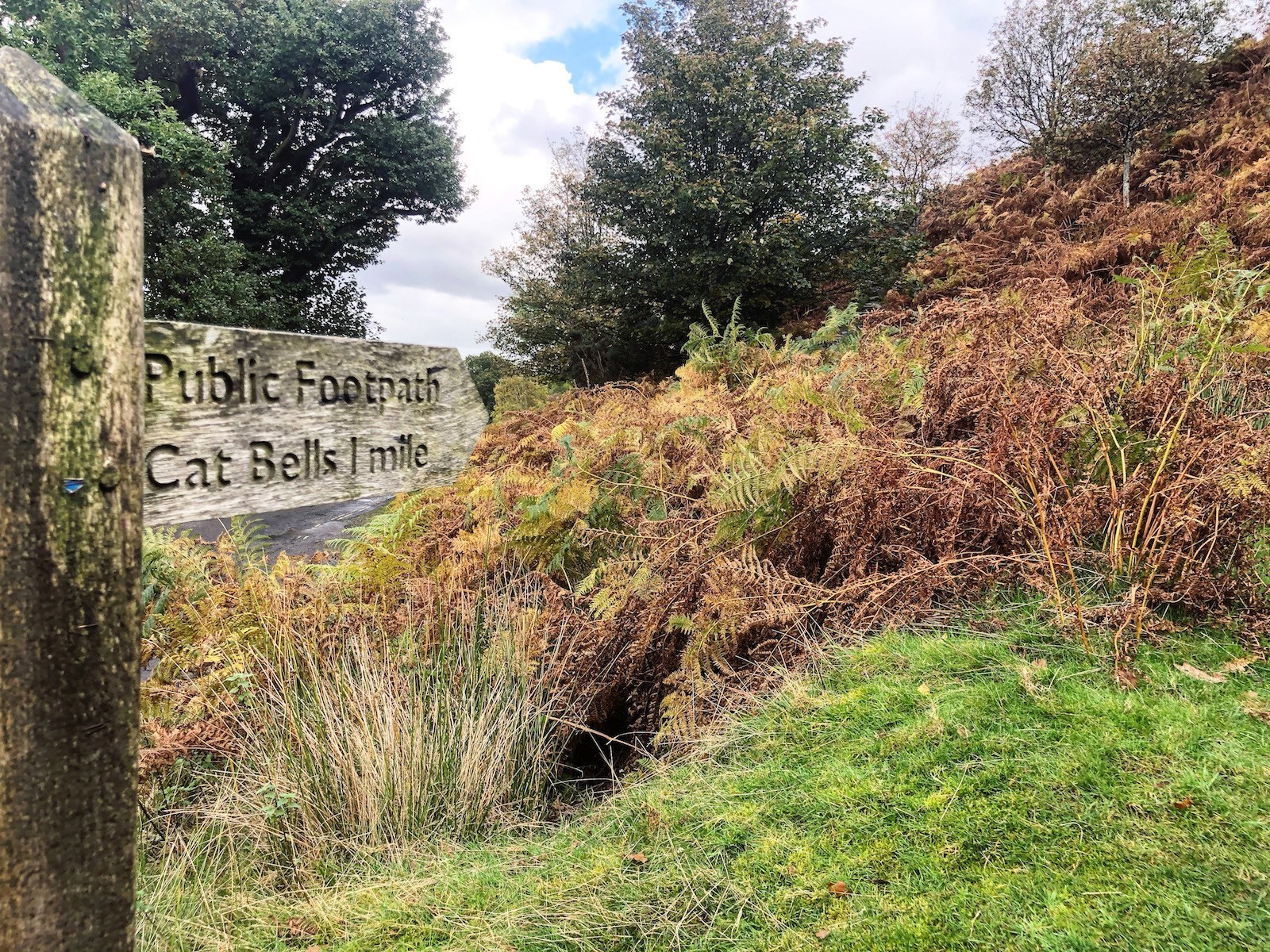
- Catbells: A Lakeland classic and a must-do for every mountain walker regardless of ability or fitness – Read about Catbells
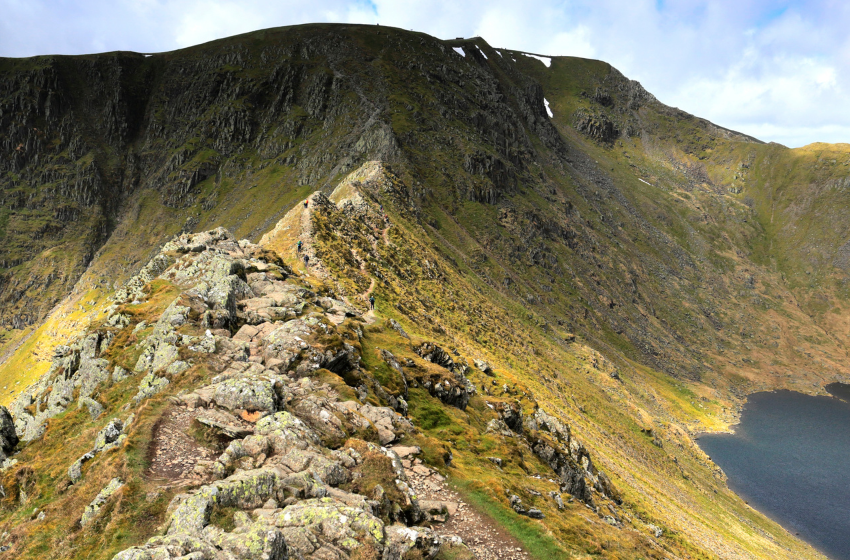
- Climbing Striding Edge on Helvellyn: England’s most iconic mountaintop via Striding Edge and Swirls Edge – Read about climbing striding edge
- Sharp Edge and Halls Fell Ridge: The Lake District’s scariest ridge line, Exposed and dangerous but a worthy day out in the mountain – read about scrambling on striding edge
Some of these routes are exposed and dangerous and whilst no technical equipment is required it is important to approach them with the right skills and understanding of being in the mountains.
Common Questions About Scafell Pike
Additional Resources to help you climb Scafell Pike.
In conclusion, Scafell Pike is a popular and challenging mountain to climb, offering breathtaking views and a sense of accomplishment for those who make the ascent. Whether you’re an experienced hiker or a beginner, it’s important to be well-prepared for the climb and to understand the risks involved. By following the tips and advice outlined in this guide, you can increase your chances of a successful and enjoyable climb.
For more information on how to climb Scafell Pike, here are some useful links:
- The National Trust’s Scafell Pike page: https://www.nationaltrust.org.uk
- The Lake District National Park Authority’s Scafell Pike page: https://www.lakedistrict.gov.uk
- The Wasdale Head Inn and Mountain Shop: https://www.wasdale.com/
- The Met Office’s Lake District weather forecast: https://www.metoffice.gov.uk
- Mountain Weather Information Service (MWIS) for the Lake District: https://www.mwis.org.uk/region/lake-district
- Lake District Mountain Rescue: https://www.lakedistrictmountainrescue.org/
- OS Maps for hiking and outdoor activities: https://osmaps.ordnancesurvey.co.uk/
- Mountain guiding services – www.lakedistrictadventuring.co.uk
Jack Oliver
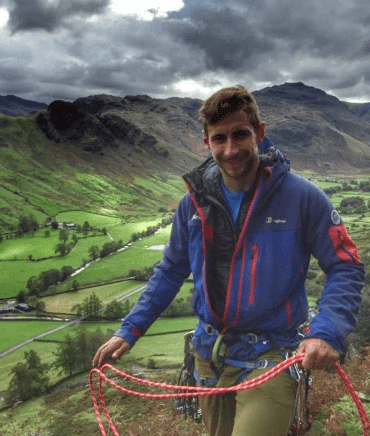
Jack is a Mountaineering Instructor and director of Adventuring. Over the last 12 years, Jack has climbed Scafell Pike over 80 times in all weathers and is considered to be a local expert on the area.